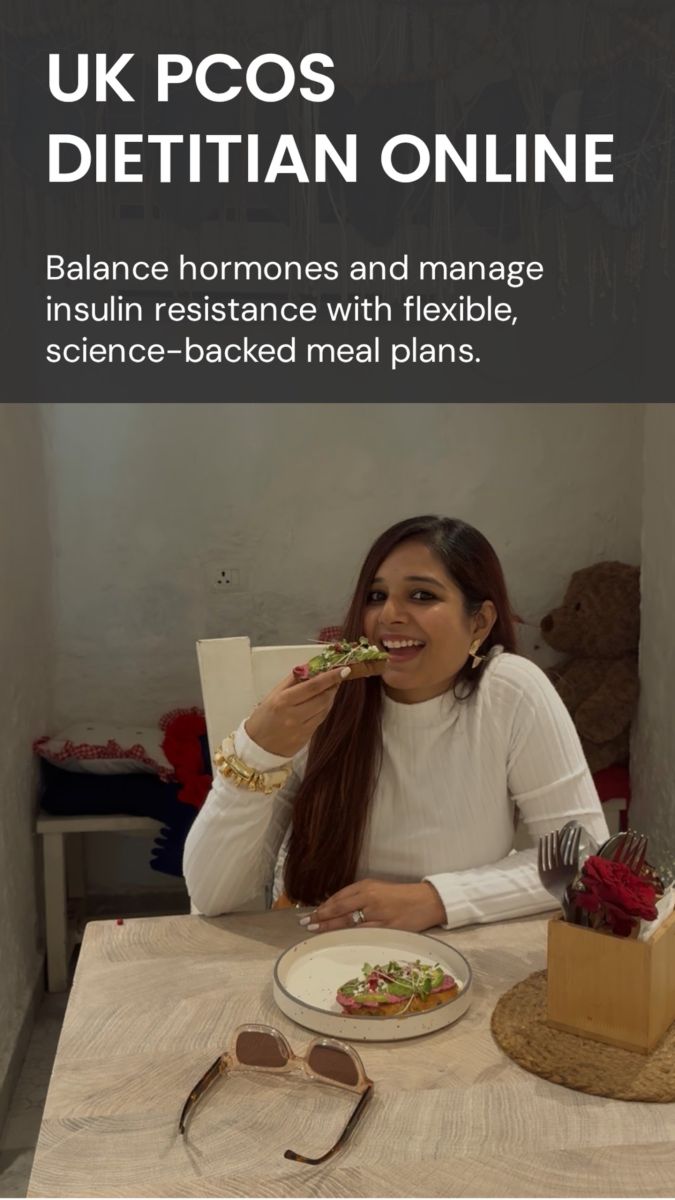
PCOS/PMOS is thought to affect around 1 in 10 women in the UK — yet many women tell us they left their GP appointment with a diagnosis, a leaflet, and the advice to "lose some weight," but no practical plan for what to actually eat on a Tuesday between a commute, a Teams call, and the school run. If you're a woman between 30 and 45 in the UK looking for personalised, evidence-based PCOS/PMOS nutrition support online — whether you're dealing with irregular cycles, insulin resistance, weight changes, skin and hair symptoms, or fertility questions — here are 36 answers to help you decide what kind of support you need.
SECTION 1: About the Programme
Q1. What is Health Hatch's online PCOS/PMOS nutrition programme for UK women?
A fully online, personalised nutrition programme for women with PCOS/PMOS, built around your cycle history, symptoms, blood results where available, and the way you actually live and eat in the UK. It includes a personalised meal plan, ongoing WhatsApp support, and regular check-ins as your cycle, symptoms, and results change.
Q2. Who are the dietitians, and are they registered in the UK?
Our team are qualified dietitians registered in India, with 13+ years of clinical experience in PCOS/PMOS, hormonal health, fertility, and metabolic conditions, supporting 10,000+ clients across 60+ countries. We are not registered with the UK's HCPC, so our role is nutrition consultation that works alongside — never instead of — your GP, gynaecologist, or fertility clinic, who remain responsible for your diagnosis and medical care.
Q3. How does an online programme work from the UK?
Consultations take place by video or phone, with WhatsApp support in between. Mumbai is 4.5 hours ahead of UK time during British Summer Time and 5.5 hours ahead in winter, so morning and lunchtime UK slots usually work well — including early slots before the working day starts.
Q4. How is this different from the PCOS/PMOS advice I get on the NHS?
The NHS is where your PCOS/PMOS should be diagnosed and medically managed, and your GP can refer you to an NHS dietitian — but waiting times and the number of follow-up appointments vary widely by area. What we add is time and continuity: a detailed intake, a plan built around your own food and schedule, and frequent follow-up so the plan can be adjusted as things change, rather than a single appointment.
Q5. What programme options and pricing are available for UK clients?
Q6. Do you provide WhatsApp support in the UK?
Yes — WhatsApp works the same from the UK, so you can message with questions about your plan, eating out, travel, symptom changes, and cycle tracking between consultations.
SECTION 2: Understanding PCOS/PMOS
Q7. Is Health Hatch the "best" online PCOS/PMOS dietitian for women in the UK?
"Best" depends on fit. What matters is whether a nutrition professional treats PCOS/PMOS as the varied condition it is, looks at your own history and results, and gives you a plan you can keep up with — rather than a generic list of foods to avoid. Many of our clients have seen improvements in cycle regularity and symptoms, but no dietitian, including us, can promise the same outcome for every woman.
Q8. What is PCOS/PMOS, in simple terms?
Polycystic ovary syndrome (PCOS) — also referred to as PMOS, polycystic metabolic ovary syndrome, to reflect its metabolic side — is a common hormonal condition. In the UK it's usually diagnosed using the Rotterdam criteria, which look for at least two of three features: irregular or absent ovulation (often seen as irregular periods), signs of higher androgen levels (such as excess hair growth, acne, or raised testosterone on a blood test), and polycystic-appearing ovaries on ultrasound. Not every woman has all three.
Q9. Do all women with PCOS/PMOS have the same symptoms?
No — PCOS/PMOS varies a lot. Some women have insulin resistance and some don't; some live in larger bodies and many don't; some struggle to conceive and many don't. This is why one-size-fits-all "PCOS/PMOS diet" plans often don't work well.
Q10. Can PCOS/PMOS symptoms change after 30?
Yes. Cycles, skin, weight, energy, and metabolic markers can shift again in your 30s and 40s — sometimes after years of feeling that your PCOS/PMOS was "under control," and sometimes after stopping the pill. This is common, and it's worth reassessing rather than assuming it's just "PCOS/PMOS as usual."
Q11. I'm of South Asian heritage and live in the UK. Does that change anything?
It can. Women of South Asian, Black African, and African-Caribbean heritage have a higher risk of type 2 diabetes, and NICE uses lower BMI thresholds for assessing weight-related health risk in these groups. If your family eats both British and South Asian food, your plan can be built around both — from rotis, dal, and rice to sandwiches and Sunday roasts.
SECTION 3: PCOS/PMOS Diet & British Food
Q12. What is the best PCOS/PMOS diet for women in the UK?
There's no single "best" PCOS/PMOS diet — international PCOS/PMOS guidelines don't favour one specific diet over another, and the right approach depends on your symptoms, metabolic markers, and preferences. In general, meals built around protein, fibre, and minimally processed carbohydrates tend to be more sustainable than cutting out whole food groups or following strict "avoid lists."
Q13. Which everyday UK foods fit well into a PCOS/PMOS nutrition plan?
Porridge oats, wholegrain or seeded bread, Greek yoghurt, eggs, oily fish like salmon, mackerel, and sardines, beans and lentils (including a good baked bean), chicken, tofu, frozen berries, and plenty of veg — all widely available in any UK supermarket. They're adjusted to your own metabolic profile rather than applied identically to everyone.
Q14. I rely on meal deals, Pret, or Deliveroo during the working week. Can the plan work around that?
Yes. Ultra-processed foods make up more than half of the calories in the average UK diet, so a realistic plan has to work with convenience food rather than pretend it doesn't exist. We give practical guidance on building a better meal deal, choosing from the high-street chains near your office, ordering takeaways, and keeping a few quick staples at home for busy evenings.
Q15. What about breakfast cereal, toast, and the classic British breakfast?
Many UK breakfasts are low in protein and high in quickly digested carbohydrate, which can leave you hungry and craving sugar by mid-morning. Small changes — adding eggs or Greek yoghurt, switching to porridge or seeded bread, adding nuts or seeds — are often more useful than cutting breakfast out altogether.
Q16. Do I have to give up alcohol, tea breaks, and biscuits?
Not necessarily. The goal is a balanced pattern you can live with, not elimination. We look at where drinks after work, weekend alcohol, and biscuits with tea actually fit into your week and find a realistic balance. If you're trying to conceive, UK guidance is to avoid alcohol altogether, and we'll help you plan for that.
Q17. Do you provide vegan and halal-friendly plans?
Yes — plans are built around your dietary pattern, including vegan, pescatarian, halal, and non-vegetarian preferences, as well as dairy-free or gluten-free eating where there's a medical reason for it.
SECTION 4: Insulin Resistance, Weight & UK Lifestyle Factors
Q18. Does insulin resistance cause PCOS/PMOS?
Not exactly. Insulin resistance and higher insulin levels are common in PCOS/PMOS and may contribute to symptoms in some women, but PCOS/PMOS isn't simply "caused by" insulin resistance, and not every woman with PCOS/PMOS has it.
Q19. Can PCOS/PMOS-related insulin resistance improve with diet?
For many women, structured nutrition alongside regular movement and good sleep can support insulin sensitivity. It's assessed and addressed individually, rather than assumed to apply to everyone with PCOS/PMOS.
Q20. Do I need to lose weight to manage PCOS/PMOS?
Not necessarily. Weight isn't the only goal — insulin sensitivity, cycle regularity, energy, and long-term heart and metabolic health can improve at different body sizes. Where weight loss is relevant, even a modest change of around 5% of body weight has been associated with improvements in PCOS/PMOS symptoms for some women.
Q21. How do long commutes, desk jobs, shift work, and stress affect PCOS/PMOS?
They can all play a part. Long sitting hours, irregular meals, late dinners, poor sleep, and ongoing stress can affect appetite, cravings, and blood sugar. Your plan is built around your real schedule — including hybrid working, night shifts, and early starts — with practical movement ideas that fit around it.
Q22. Should I be thinking about vitamin D living in the UK?
Yes. UK government guidance advises everyone to consider a 10 microgram (400 IU) vitamin D supplement during autumn and winter, because sunlight between October and March isn't strong enough for the body to make enough. Low vitamin D is common in women with PCOS/PMOS, and people with darker skin or who cover their skin may need to consider it all year round. Your GP can check your levels if needed.
Q23. Can PCOS/PMOS increase long-term diabetes or heart health risk?
PCOS/PMOS doesn't automatically cause diabetes, but it is associated with a higher risk of type 2 diabetes, raised cholesterol, and metabolic syndrome. NICE-aligned UK practice is for women with PCOS/PMOS to have their blood glucose checked regularly, and nutrition support can factor this bigger picture in.
SECTION 5: PCOS/PMOS & Fertility for Women 30–45 in the UK
Q24. Does PCOS/PMOS mean I can't get pregnant?
No. PCOS/PMOS is one of the most common causes of irregular ovulation, which can mean conception takes longer for some women, but it does not mean infertility. Many women with PCOS/PMOS conceive naturally; others benefit from medical treatment, sometimes alongside nutrition support.
Q25. I'm over 35 with PCOS/PMOS and trying to conceive. Does the diet change?
Age becomes more relevant to egg quality after 35, so overall diet quality, omega-3 sources like oily fish, antioxidant-rich foods, and metabolic health tend to be emphasised alongside your existing PCOS/PMOS management. NHS advice is to see your GP if you're over 36 and have been trying for 6 months or more, or sooner if your periods are irregular.
Q26. Can nutrition help me prepare for NHS or private IVF with PCOS/PMOS?
Supporting your overall nutritional and metabolic health may help create a better foundation going into treatment, but it doesn't replace medical care and can't guarantee outcomes. It's also practical: many NHS areas require a BMI within a set range before funding IVF, so some women choose structured, sustainable support in the months before referral. This is worth discussing with both your dietitian and your fertility clinic.
Q27. What about folic acid and preconception supplements?
The NHS recommends 400 micrograms of folic acid daily while trying to conceive and until 12 weeks of pregnancy. Women with a BMI of 30 or above, or certain other risk factors, may be advised to take a higher 5 milligram dose, which needs a prescription from your GP — so it's worth asking before you start trying.
Q28. What blood tests are commonly relevant for PCOS/PMOS in the UK?
Testosterone and other hormones, thyroid function, HbA1c or fasting glucose, cholesterol, and sometimes vitamin D are commonly discussed. Your GP arranges these tests on the NHS, and we help you understand what your results mean for your nutrition plan.
SECTION 6: Why Health Hatch & Our Programmes
Q29. Why should UK women with PCOS/PMOS choose Health Hatch?
Because you work directly with our co-founders — dietitians with 13+ years of clinical experience in PCOS/PMOS, hormonal health, and fertility — not a rotating team or an app. Health Hatch is a women-led practice that has supported 10,000+ clients across 60+ countries over 10 years. Your plan is built from your own cycle history, symptoms, and blood results, adapted to British food and working life, and adjusted every month as your body responds, with WhatsApp support in between. We also work alongside your GP and specialists rather than in place of them.
Q30. How has Health Hatch helped women with PCOS/PMOS?
Over the years, many of our PCOS/PMOS clients have seen meaningful changes with personalised nutrition support — more regular cycles, improvements in hormonal and metabolic blood markers such as insulin, glucose, and testosterone, and relief from symptoms like sugar cravings, fatigue, bloating, acne, and stubborn weight gain. Every woman's PCOS/PMOS is different, so results vary from person to person, and nutrition works best as one part of a wider care plan with your doctor.
Q31. Have women with PCOS/PMOS conceived naturally after working with Health Hatch?
Yes — many of our clients with PCOS/PMOS have gone on to conceive naturally while following their nutrition plan, often after working on cycle regularity, insulin sensitivity, and overall metabolic health first. We never promise pregnancy, because conception depends on many factors beyond nutrition, but supporting regular ovulation and a healthy metabolic foundation can be an important part of your fertility journey — naturally, or alongside IUI or IVF.
Q32. How does the Transformation programme help with PCOS/PMOS?
Transformation (£319 per 3 months) is our signature 3-month reset, designed to give your hormones and metabolism the time they need to respond. It includes monthly calls with a co-founder, 6 custom diet plans that evolve as your cycle and symptoms change, eating-out guidance for meal deals, restaurants and takeaways, 80 curated recipes, and everything in the Starter Plan — a blood report review, progress tracking, and WhatsApp support. It suits women who want a structured, evidence-based plan to work towards a more balanced hormonal profile and steady symptom improvement.
Q33. How does the Concierge Elite programme help with PCOS/PMOS?
Concierge Elite (£549 per 3 months) is our most popular, white-glove programme for women who want closer support. It includes 2 calls a month with a co-founder, 12 custom diet plans for faster fine-tuning, 350+ recipes, custom grocery lists for your UK supermarket shop, a travel nutrition strategy for work trips and holidays, personalised supplement suggestions (coordinated with your GP where needed), and everything in the Starter Plan. It suits women with busy, travel-heavy lives, more complex hormonal or metabolic profiles, or a fertility goal they want to prepare for carefully.
Q34. Should I choose Transformation or Concierge Elite?
If you want a structured 3-month reset with monthly expert review, Transformation is a strong fit. If you want twice-monthly calls, more frequent plan changes, grocery lists, travel support, and supplement guidance — especially if you're preparing to conceive or have several symptoms to address — Concierge Elite gives you closer support. Your complimentary onboarding call is the best place to decide together.
SECTION 7: Getting Started from the UK
Q35. What should I look for before booking any online PCOS/PMOS dietitian or nutritionist in the UK?
Check their qualifications and where they're registered, whether they do a proper intake (cycle history, symptoms, blood results) rather than a generic form, whether they explain your particular type of PCOS/PMOS rather than giving one-size-fits-all rules, and whether they offer ongoing follow-up. Be cautious of anyone selling a "cure," pushing expensive supplement bundles, or telling you to stop treatment your doctor has recommended.
Q36. How do I get started from the UK?
Enquire through our website, message us on WhatsApp at +91-8010749168, or email info@health-hatch.com. The programme is fully online, so you can start from anywhere in England, Scotland, Wales, or Northern Ireland.
Ready to Get Started?
Whether you're managing irregular cycles, insulin resistance, weight changes, or fertility plans alongside PCOS/PMOS, personalised nutrition can help you understand what's actually going on in your body — and give you a plan that fits life in the UK, from the supermarket shop to the office lunch. Health Hatch works with women aged 30–45 across the UK and 60+ countries, alongside the care you receive from your GP and specialists.
Want personalised support for your PCOS/PMOS nutrition? Enquire with our team.
Curious about programme structure and cost first? See current pricing.
This article is for general information and isn't a substitute for medical advice. Please speak with your GP or specialist about your diagnosis, medication, and fertility treatment.